Vaccines protect the heart
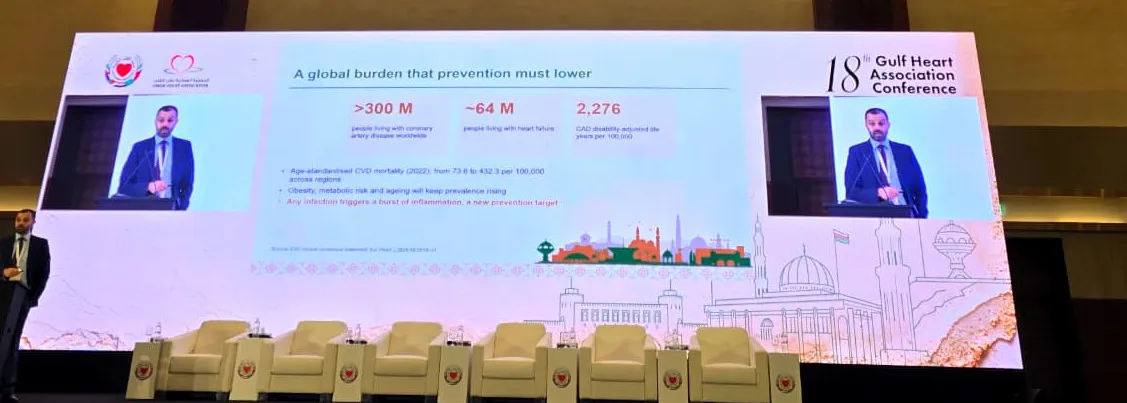
Viral infections such as flu and COVID put a heavy load on the heart, and vaccination is now a core part of protecting it — from Prof Mohamed Abdelghani's lecture at the 18th Gulf Heart Association Conference.
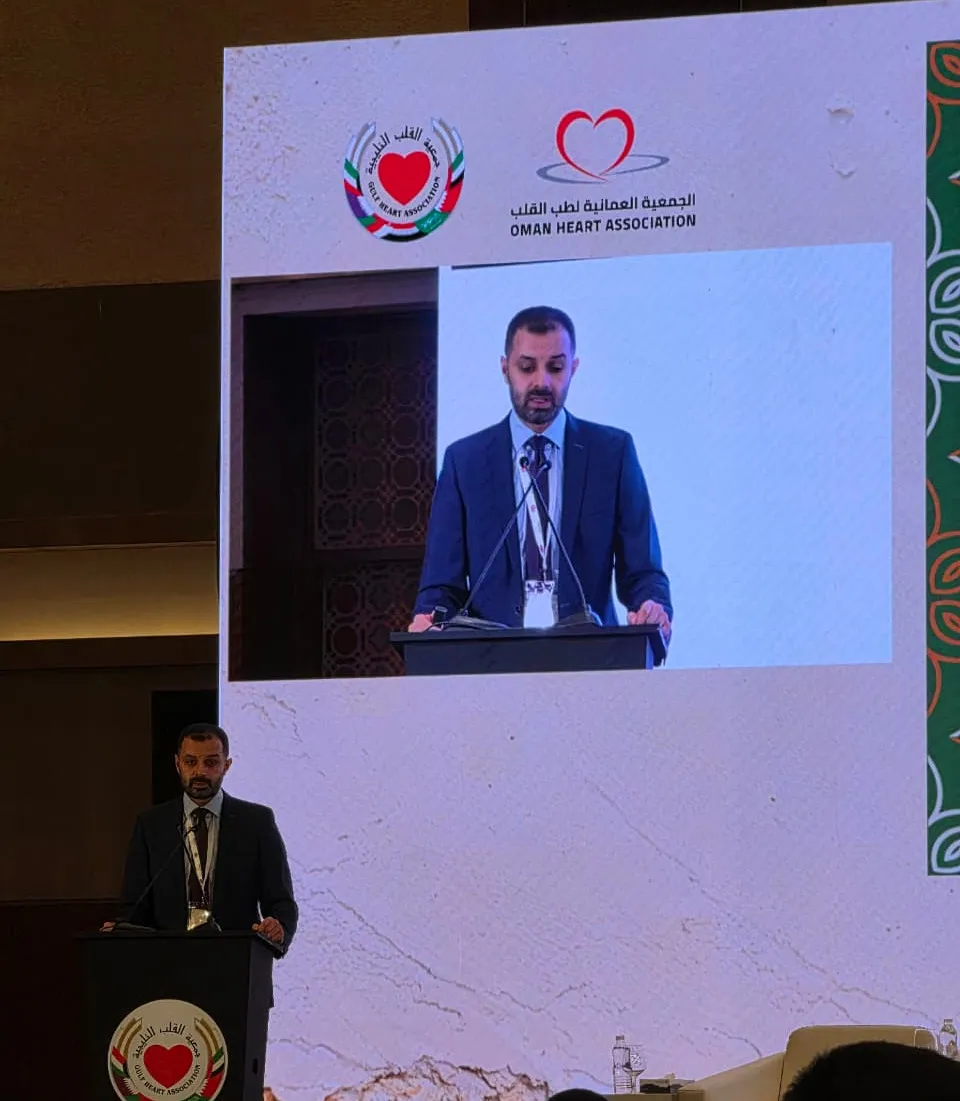
At the 18th Gulf Heart Association Conference in Muscat, the capital of Oman, Prof Mohamed Abdelghani — consultant in cardiac catheterisation and assistant professor of cardiology at Al-Azhar University — gave a lecture on a subject that touches a great many lives: the role of vaccination in preventing heart and vascular disease.
The lecture explained that prevention used to mean healthy eating, exercise, stopping smoking, and treating blood pressure, diabetes and cholesterol. Modern science and the 2025 medical guidelines now treat vaccination as a core part of protecting the heart.
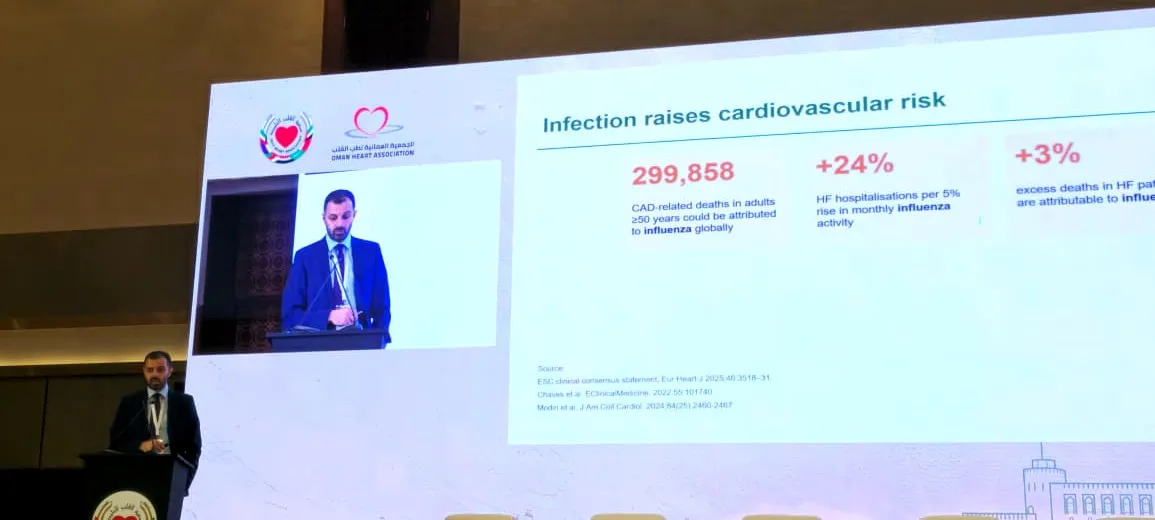
It showed how viral infections such as influenza, COVID or respiratory syncytial virus (RSV) are not just a passing cold. They set off a chain of intense inflammation inside the body, which raises the risk of blood clots and puts a heavy load on the heart muscle. That is why people with chronic heart conditions are far more prone to complications, to the infection worsening, and so to hospital admission or even death, compared with others — a medical fact that makes immunisation a necessity for heart patients, not a luxury.
The lecture focused on the strength of the scientific evidence that the seasonal flu vaccine alone can reduce heart attacks, blood clots and cardiac arrest by around 30% to 40%. On top of that come the other important vaccines:
- the COVID-19 vaccine
- the pneumococcal vaccine
- shingles
- respiratory syncytial virus
All of these have been shown to protect the health of older people, especially those with chronic conditions.
At the end of the lecture, Dr Mohamed Abdelghani gave everyone a strong and reassuring message: side effects from vaccines are rare and very mild, and nothing compared with the serious dangers of the infection itself. He urged doctors and patients alike to use every visit to a clinic or hospital to review their vaccination status and protect their heart — because prevention really is better than cure.
From the lecture